

Transparéncia
Pasta is one of the most beloved and versatile foods in the world. Originating in Italy, it has become a global staple thanks to its simplicity, affordability, and ability to pair well with a wide range of ingredients. Made primarily from durum wheat semolina and water, pasta comes in many shapes and sizes, each suited to different types of sauces and culinary styles.
There are two main categories of pasta: fresh and dried. Fresh pasta is usually made with eggs and has a softer texture, ideal for dishes like ravioli or tagliatelle. Dried pasta, which is more common in supermarkets, has a longer shelf life and is perfect for meals such as spaghetti Bolognese or penne arrabbiata.
Pasta’s true charm lies in its adaptability. From rich, creamy sauces like Alfredo to lighter combinations like olive oil, garlic, and chili flakes, pasta provides a perfect canvas for both traditional and creative flavors. It is equally at home in vegetarian, meat-based, or seafood dishes, and it can even be enjoyed cold in salads.
More than a club
Nutritionally, pasta is a good source of complex carbohydrates, offering energy and satiety. Whole wheat and alternative grain versions also provide added fiber and nutrients, making them a healthier choice for many people.
Cooking pasta is straightforward but benefits from a few essential tips: use plenty of salted water, don’t overcook it, and save a bit of the starchy cooking water to help blend sauces more smoothly. Whether served as a quick weeknight meal or as part of a gourmet dinner, pasta remains a comforting and satisfying food for all ages and occasions.
From family gatherings to high-end restaurants, pasta continues to unite people around the table, celebrating both tradition and innovation. What’s your favorite pasta dish?
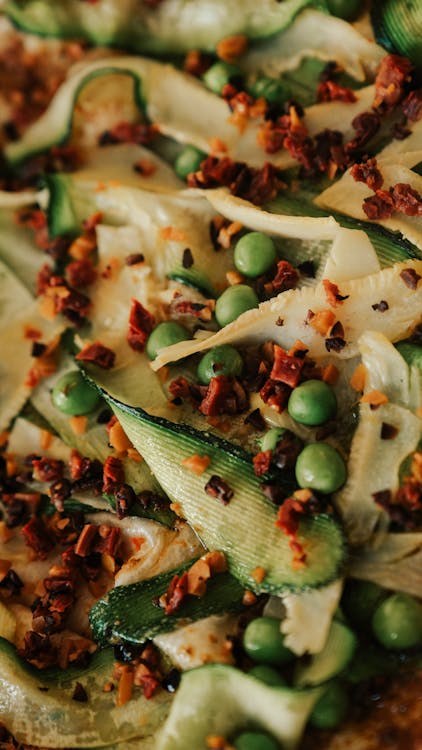 Pasta is one of the most beloved and versatile foods in the world. Originating in Italy, it has become a global staple thanks to its simplicity, affordability, and ability to pair well with a wide range of ingredients. Made primarily from durum wheat semolina and water, pasta comes in many shapes and sizes, each suited to different types of sauces and culinary styles.
There are two main categories of pasta: fresh and dried. Fresh pasta is usually made with eggs and has a softer texture, ideal for dishes like ravioli or tagliatelle. Dried pasta, which is more common in supermarkets, has a longer shelf life and is perfect for meals such as spaghetti Bolognese or penne arrabbiata.



Pasta’s true charm lies in its adaptability. From rich, creamy sauces like Alfredo to lighter combinations like olive oil, garlic, and chili flakes, pasta provides a perfect canvas for both traditional and creative flavors. It is equally at home in vegetarian, meat-based, or seafood dishes, and it can even be enjoyed cold in salads.
An impressive sound
Nutritionally, pasta is a good source of complex carbohydrates, offering energy and satiety. Whole wheat and alternative grain versions also provide added fiber and nutrients, making them a healthier choice for many people.
Cooking pasta is straightforward but benefits from a few essential tips: use plenty of salted water, don’t overcook it, and save a bit of the starchy cooking water to help blend sauces more smoothly. Whether served as a quick weeknight meal or as part of a gourmet dinner, pasta remains a comforting and satisfying food for all ages and occasions.
From family gatherings to high-end restaurants, pasta continues to unite people around the table, celebrating both tradition and innovation. What’s your favorite pasta dish?